
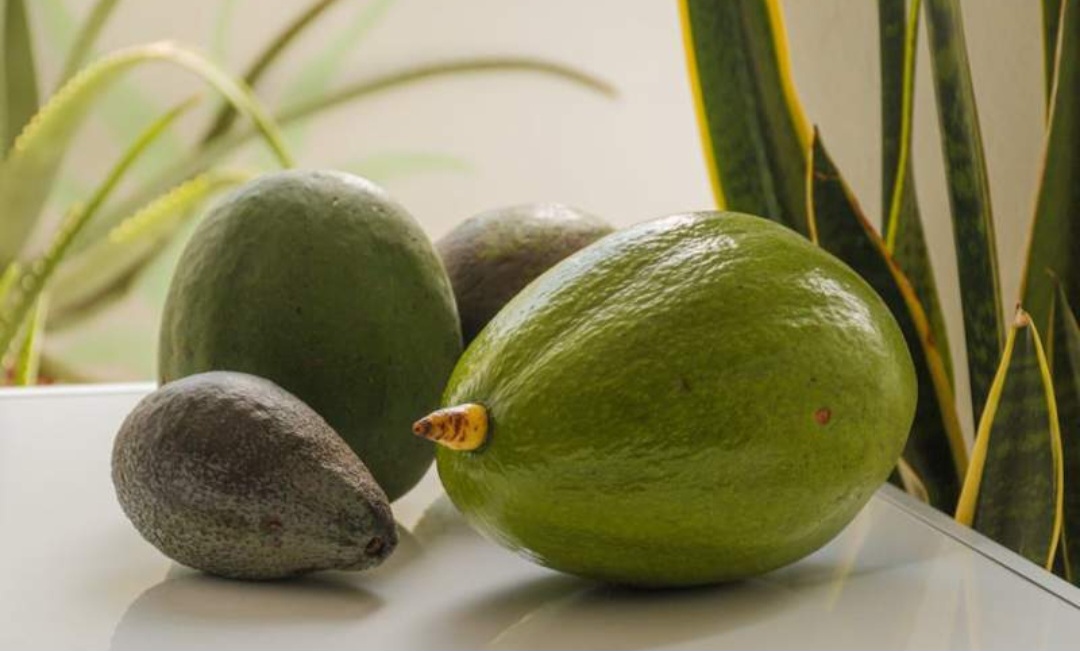
That avocado seed sitting in the center of the fruit is the part the post is screaming about — the one tied to cancer, diabetes, high blood pressure, and poor circulation. The claim is wild, and the reason it spreads so fast is simple: people recognize the pattern of a body that feels like it’s running on fumes.
Your mornings start with a fogged-up head and a body that never really wakes up. By afternoon, your legs feel heavy, your hands go cold, and your energy drops like someone pulled the plug.
Then the blood pressure cuff comes out, the glucose number creeps up, and suddenly every meal feels like a negotiation with your own body. What the health machine rarely says out loud is that your system doesn’t need more panic — it needs the right raw biological fuel to stop acting like a clogged engine.
The Avocado Seed Reset is the real story here. Not magic, not fairy dust — a dense package of fiber, fats, and sludge-clearing compounds that changes how your body handles pressure, sugar, and circulation.
Think of your bloodstream like a city’s main water line after years of mineral buildup. When the flow narrows, every neighborhood downstream pays for it: the brain gets sluggish, the heart works harder, and the hands and feet feel like they belong to somebody else.
Avocado doesn’t behave like a sugary fruit that spikes and crashes you. It comes in like a slow-burning fuel source, forcing steadier digestion and a more even release of energy, which is why people often notice fewer cravings and less of that desperate mid-morning hunt for snacks.
The ugly contrast is brutal: without enough of these fats and fibers, meals hit fast, blood sugar whipsaws, and the body starts storing stress instead of burning fuel. That’s when the afternoon slump turns into the evening raid on the pantry.
Why the circulation piece matters first
When circulation gets sticky, your body acts like a garden hose kinked behind a brick wall. Pressure climbs upstream, oxygen delivery gets sloppy, and the tissues at the edges — your fingers, toes, even your brain — start getting shortchanged.
Avocado’s potassium and magnesium help calm that internal squeeze, while its healthy fats support a cleaner lipid pattern inside the bloodstream. Over time, the shift shows up in the little things: warmer hands, less pounding after meals, and a body that doesn’t feel like it’s fighting itself every time you climb the stairs.
And that’s why nobody told you. Not because it doesn’t work — because it doesn’t pay. Nobody built a Super Bowl ad around a fruit pit, and Wall Street doesn’t get rich from something you can buy at the produce aisle.
Why blood sugar stops swinging so hard
Picture a campfire fed with dry logs versus one doused with wet newspaper. One burns steady; the other flares, smokes, and dies. Avocado slows the burn by pairing fiber with fat, so the meal doesn’t slam your system and leave you shaky an hour later.
The first thing people notice is that they stop feeling like they need a rescue snack every few hours. After a few days of consistency, the body feels less frantic after meals, and the mental fog that used to roll in like storm clouds starts backing off.
That’s not a small shift. When sugar stops ricocheting through your system, the whole day feels less jagged — fewer crashes, fewer cravings, fewer moments where your brain feels wrapped in cotton.
Why digestion finally starts moving like it should
Avocado’s fiber acts like a street sweeper moving through a crowded market after closing time. It clears debris, keeps things moving, and feeds the forgotten second brain in your belly so the whole digestive neighborhood runs cleaner.
When that fiber is missing, waste sits longer, gut bacteria get lazy, and the body starts broadcasting it: bloating, uncomfortable fullness, and that heavy, backed-up feeling no one wants to talk about at dinner. With avocado in the picture, people often notice smoother bathroom habits and a stomach that feels less inflamed and less temperamental.
Why skin and brain often change next
The same fats that calm the inside of the body also help the outside stop looking parched and tired. Your skin is basically the billboard for what your cells are getting, and when the raw biological fuel improves, that dull, paper-dry look starts to soften.
For the brain, avocado works like premium wiring inside an old house. Healthy fats and folate help keep the lights from flickering, which is why many people feel sharper, less scattered, and more able to stay locked in on a task without their mind skidding off the road.
By the time those changes stack up, breakfast feels different. Lunch doesn’t ambush you. The afternoon doesn’t drag your face into the floor.
The part that wrecks the whole thing is how people use it. Drowning avocado in sugar-heavy sauces or pairing it with a meal built on refined carbs turns a clean advantage into a sloppy one. The next move that changes everything is the one nobody expects: what you eat it with can decide whether it steadies your system or just rides along for the show.
This article is for informational purposes only and does not replace professional medical advice. Please consult your healthcare provider for personalized guidance