
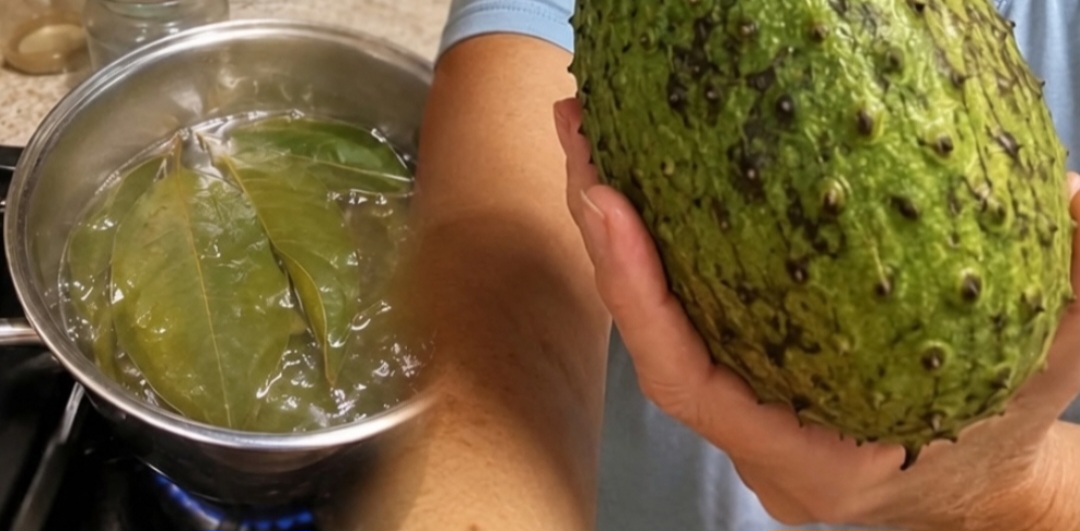
Soursop is best known for its soft, fragrant fruit, but in many tropical regions, the leaves of the plant have also been used in traditional wellness practices. From family kitchens to herbal markets, soursop leaf tea is often prepared as a warm drink for relaxation, hydration, and general well-being.
Its popularity has grown rapidly online, where it is sometimes promoted as a remedy for a wide range of health problems. However, many of these claims go far beyond what scientific research currently supports.
Soursop leaves contain several natural plant compounds that have attracted scientific interest, but drinking the tea should not be viewed as a cure for cancer, diabetes, high blood pressure, infections, or other medical conditions.
This article explains what soursop leaves may realistically offer, how to prepare a mild tea, who should avoid it, and why moderation is essential.
What Are Soursop Leaves?
Soursop comes from the tropical tree Annona muricata, which is also known as graviola, guanábana, or Brazilian pawpaw.
The fruit is commonly used in:
- Fresh juices
- Smoothies
- Desserts
- Ice cream
- Traditional beverages
The leaves, however, are usually dried or used fresh to prepare herbal infusions. Their flavor is mildly bitter, earthy, and herbal.
Traditional use of soursop leaves varies between cultures. Some people drink the tea in the evening as part of a calming routine, while others use it during periods of digestive discomfort or physical fatigue.
Although these traditional practices are culturally important, they should not be confused with clinically proven medical treatments.
Why Has Soursop Leaf Tea Become So Popular?
Interest in soursop leaf tea has increased for several reasons.
First, natural remedies are often affordable and easy to prepare. A few leaves, clean water, and a pot are enough to make a basic infusion.
Second, many people are attracted to the idea that familiar plants may contain beneficial compounds. Soursop leaves do contain naturally occurring phytochemicals, including antioxidants and acetogenins.
Third, social media has helped spread dramatic stories about soursop leaves. Unfortunately, some posts claim that the tea can eliminate serious diseases, cleanse the body instantly, or replace medication.
These claims can be dangerous because they may encourage people to delay professional diagnosis or stop necessary treatment.
A more responsible approach is to view soursop leaf tea as an occasional traditional beverage rather than a miracle cure.
Natural Compounds Found in Soursop Leaves
Soursop leaves contain several groups of plant compounds that have been studied in laboratory settings.
These include:
- Flavonoids
- Phenolic compounds
- Alkaloids
- Tannins
- Acetogenins
- Natural antioxidants
Antioxidants help protect cells from oxidative stress, a normal biological process linked to aging and cellular damage.
However, the presence of antioxidants does not automatically mean that a food or tea can treat disease. Laboratory research, animal studies, and human clinical trials are very different levels of evidence.
Many claims about soursop leaves are based mainly on laboratory findings, not strong clinical evidence in humans.
Potential Benefits of Soursop Leaf Tea
1. It May Support a Relaxing Evening Routine
One of the most realistic benefits of soursop leaf tea is the sense of comfort that comes from drinking a warm herbal beverage.
Preparing tea can create a calming transition between a busy day and bedtime. The warmth, aroma, and quiet ritual may help some people slow down and relax.
This effect is not unique to soursop leaves. Many unsweetened herbal teas can serve the same purpose.
Still, for people who enjoy its flavor, soursop leaf tea may become part of a peaceful evening routine.
2. It Can Contribute to Daily Hydration
Water remains the best source of hydration, but herbal tea can also contribute to daily fluid intake.
People who find plain water difficult to drink may enjoy warm or chilled herbal infusions as an alternative to sugary beverages.
A lightly prepared soursop leaf tea without added sugar may be a better choice than:
- Soda
- Sweetened bottled tea
- Energy drinks
- High-sugar fruit beverages
Good hydration supports digestion, body temperature regulation, circulation, and normal physical function.
3. It Provides Plant-Based Antioxidants
Soursop leaves contain antioxidant compounds that may help neutralize free radicals.
Free radicals are unstable molecules produced during normal metabolism and through exposure to factors such as pollution, smoking, and ultraviolet radiation.
A diet rich in fruits, vegetables, herbs, legumes, nuts, and whole grains provides a broad variety of antioxidants.
Soursop leaf tea may contribute a small amount, but it should not replace more nutrient-dense foods.
4. It May Replace High-Sugar Drinks
One practical advantage of herbal tea is that it can help reduce unnecessary sugar intake.
When consumed without refined sugar, soursop leaf tea may serve as a low-calorie beverage.
Reducing sugary drinks may support:
- Weight management
- Dental health
- Healthy blood sugar habits
- Cardiovascular wellness
- Better overall dietary quality
The benefit in this case may come less from the leaves themselves and more from what the tea replaces.
5. It May Support Mindful Self-Care
A healthy routine is often built from small, repeated habits.
Preparing an herbal tea can encourage a person to pause, sit down, reduce screen time, and pay more attention to daily wellness choices.
This simple ritual may also inspire other positive habits, such as:
- Drinking more water
- Eating fewer processed foods
- Sleeping at consistent times
- Walking regularly
- Reducing alcohol intake
- Preparing more meals at home
The tea is not responsible for all these changes, but it may become part of a broader self-care routine.
Can Soursop Leaves Cure Cancer?
No reliable human evidence shows that soursop leaf tea cures cancer.
Some compounds found in soursop have shown activity against certain cells in laboratory studies. However, a substance affecting isolated cells in a laboratory does not prove that drinking tea will treat cancer in the human body.
Human cancers are complex diseases that require proper diagnosis and evidence-based treatment.
Depending on the type and stage of cancer, medical care may include:
- Surgery
- Chemotherapy
- Radiation therapy
- Immunotherapy
- Hormone therapy
- Targeted treatment
Using soursop leaves instead of medical treatment may allow the disease to progress.
Anyone receiving cancer treatment should speak with an oncologist before consuming herbal extracts or concentrated plant products because they may interact with medications or affect the liver and kidneys.
Can Soursop Leaf Tea Lower Blood Sugar?
Soursop leaves are sometimes promoted for diabetes, but there is not enough high-quality evidence to recommend the tea as a diabetes treatment.
Some early research has explored how plant compounds from soursop may affect blood sugar. Most of this evidence does not come from large, controlled human trials.
People who take insulin or diabetes medication should be especially cautious. Combining medication with herbal preparations that may influence blood sugar could increase the risk of hypoglycemia.
Possible symptoms of low blood sugar include:
- Shaking
- Sweating
- Confusion
- Weakness
- Dizziness
- Rapid heartbeat
Never reduce or stop diabetes medication because of an herbal tea.
Can It Help With High Blood Pressure?
Soursop leaf tea is also commonly associated with blood pressure support.
Although certain plant compounds have been studied for possible cardiovascular effects, the tea is not a substitute for prescribed blood pressure medication.
Drinking concentrated soursop tea together with antihypertensive medication may cause blood pressure to fall too low in some individuals.
Symptoms may include:
- Lightheadedness
- Fatigue
- Blurred vision
- Fainting
- Weakness
People with low blood pressure or those taking heart medication should consult a healthcare provider before drinking soursop leaf tea regularly.
Does Soursop Leaf Tea Improve Digestion?
Warm beverages may feel soothing after meals, and some people report that herbal tea supports digestive comfort.
However, there is limited evidence that soursop leaf tea specifically treats constipation, gastritis, ulcers, intestinal infections, or other digestive disorders.
For better digestive health, focus on habits supported by stronger evidence:
- Eat adequate fiber
- Drink enough water
- Include fruits and vegetables
- Exercise regularly
- Eat slowly
- Limit excessive alcohol
- Avoid foods that trigger symptoms
Persistent stomach pain, vomiting, blood in the stool, unexplained weight loss, or major changes in bowel habits require medical evaluation.
How to Make Mild Soursop Leaf Tea
Soursop leaves should be used conservatively. There is no universally established medical dose for soursop leaf tea.
Ingredients
- 2 to 3 clean soursop leaves
- 2 cups of water
- A small piece of cinnamon, optional
- A little lemon juice, optional
Preparation
- Wash the leaves thoroughly under clean running water.
- Add the water to a small pot.
- Bring it to a gentle boil.
- Add the leaves.
- Reduce the heat and simmer for approximately 5 minutes.
- Turn off the heat.
- Cover the pot and let the tea rest for another 5 minutes.
- Strain before drinking.
- Allow it to cool to a comfortable temperature.
Avoid preparing extremely concentrated tea or using a large number of leaves.
More leaves do not necessarily provide more benefits and may increase the risk of adverse effects.
How Often Should You Drink It?
Because long-term safety has not been clearly established, soursop leaf tea is better consumed occasionally rather than continuously.
A cautious approach may include:
- Starting with a small serving
- Avoiding daily long-term consumption
- Not combining it with other concentrated herbal remedies
- Monitoring for unwanted reactions
- Speaking with a healthcare professional before regular use
The tea should not become the main source of hydration or replace a balanced diet.
Should You Add Sugar or Honey?
The tea can be consumed plain.
Adding large amounts of sugar may reduce its value as a low-calorie drink.
A small amount of honey may improve the flavor, but it is still a source of sugar. People with diabetes or those monitoring blood sugar should be careful with sweeteners.
Honey should never be given to children younger than 12 months because of the risk of infant botulism.
Important Safety Concerns
Natural does not always mean harmless.
Soursop leaves contain biologically active compounds, which means they may affect the body and interact with medication.
Possible concerns include:
- Digestive discomfort
- Nausea
- Low blood pressure
- Changes in blood sugar
- Medication interactions
- Nervous system effects with prolonged or excessive exposure
Concentrated extracts may carry greater risks than mild tea because they contain larger amounts of active plant compounds.
Possible Neurological Concerns
One important issue is the presence of acetogenins, including compounds such as annonacin.
High or prolonged exposure to these compounds has raised concerns in scientific research because they may affect nerve cells.
This does not mean that one occasional cup of mild tea will necessarily cause neurological damage. However, it does support the recommendation to avoid heavy, frequent, or long-term consumption.
Anyone experiencing symptoms such as tremors, unusual muscle stiffness, balance problems, or persistent weakness should seek medical advice.
Who Should Avoid Soursop Leaf Tea?
Soursop leaf tea may not be appropriate for everyone.
People who should avoid it or seek medical advice first include:
Pregnant Women
There is not enough reliable information about the safety of soursop leaf preparations during pregnancy.
Pregnant women should avoid medicinal amounts unless specifically approved by a healthcare provider.
Breastfeeding Women
Safety during breastfeeding has not been adequately established.
It is best to avoid regular use without professional guidance.
Children
Soursop leaf tea should not be given to young children without advice from a pediatric healthcare professional.
People Taking Blood Pressure Medication
The combination may potentially lower blood pressure too much.
People Taking Diabetes Medication
The tea may affect blood sugar and increase the risk of hypoglycemia.
People With Liver or Kidney Disease
The body may process plant compounds differently when liver or kidney function is impaired.
People With Neurological Conditions
Those with Parkinson’s disease or other movement disorders should be especially cautious because of concerns related to annonacin exposure.
People Preparing for Surgery
Herbal products may influence blood pressure, blood sugar, or medication response.
It is important to tell the surgical team about all herbal products being consumed.
Soursop Fruit and Soursop Leaves Are Not the Same
The fruit and leaves come from the same plant, but they should not be treated as interchangeable.
Soursop fruit provides:
- Water
- Carbohydrates
- Fiber
- Vitamin C
- Natural sugars
- Small amounts of minerals
The leaves are generally used in smaller amounts as an infusion and contain a different concentration of plant compounds.
Eating the fruit occasionally is not the same as drinking concentrated leaf tea or taking soursop extracts.
How to Choose Soursop Leaves Safely
If you decide to prepare the tea, obtain the leaves from a reliable source.
Avoid leaves that:
- Have visible mold
- Smell musty
- Are heavily discolored
- May have been treated with pesticides
- Were collected near polluted roads
- Have been stored in damp conditions
Wash fresh leaves carefully and store dried leaves in a clean, dry container away from heat and moisture.
Do not use leaves from an unidentified plant.
Better Ways to Support General Wellness
No single tea can replace the foundations of good health.
For long-term wellness, prioritize:
A Balanced Diet
Choose a variety of:
- Vegetables
- Fruits
- Whole grains
- Legumes
- Nuts
- Seeds
- Lean proteins
- Healthy fats
Variety is more beneficial than relying on one “superfood.”
Regular Movement
Walking, strength training, stretching, and other forms of physical activity support cardiovascular health, mobility, metabolism, and mood.
Consistent Sleep
Most adults need approximately seven to nine hours of sleep, although individual needs vary.
Healthy Hydration
Water should remain the main beverage throughout the day.
Medical Checkups
Routine examinations can detect high blood pressure, diabetes, high cholesterol, and other conditions before serious complications develop.
Common Myths About Soursop Leaves
Myth 1: Soursop Leaves Detoxify the Entire Body
The liver, kidneys, lungs, digestive system, and skin already work continuously to remove waste and process substances.
No tea can “flush out” every toxin.
Myth 2: More Leaves Mean Better Results
A stronger infusion may expose the body to more active compounds and increase side effects.
Higher concentration does not guarantee greater benefit.
Myth 3: Natural Remedies Cannot Interact With Medication
Herbs can influence blood pressure, blood sugar, liver enzymes, and medication absorption.
Interactions are possible even when a product is completely natural.
Myth 4: Soursop Tea Can Replace Cancer Treatment
There is no credible evidence supporting this claim.
Replacing cancer care with herbal remedies can be life-threatening.
Myth 5: Everyone Can Drink It Safely
Individual health conditions, medication use, age, pregnancy, and frequency of consumption all affect safety.
Frequently Asked Questions
Is soursop leaf tea safe?
A mild, occasional serving may be tolerated by some healthy adults. However, long-term safety has not been firmly established, and the tea is not appropriate for everyone.
Can I drink soursop tea every night?
Daily long-term use is not recommended without professional guidance. Occasional consumption is a more cautious approach.
How many leaves should I boil?
There is no medically established dose. Using 2 to 3 leaves in 2 cups of water creates a milder preparation than recipes calling for large numbers of leaves.
Can soursop leaves cure infections?
There is no reliable evidence that drinking the tea cures bacterial, viral, or fungal infections. Medical treatment may be necessary.
Can the tea help me sleep?
Some people find warm herbal drinks relaxing, but soursop leaf tea is not a clinically proven treatment for insomnia.
Can I drink it while taking medication?
Consult your doctor or pharmacist first, particularly if you take medication for blood pressure, diabetes, neurological disorders, liver disease, or kidney disease.
Can I apply soursop tea to the skin?
Topical safety is not well established. Applying plant preparations may cause irritation or allergic reactions, especially on damaged skin.
Is soursop leaf extract stronger than tea?
Yes. Extracts and capsules may contain much higher concentrations of active compounds and may carry greater risks.
When to Stop Drinking the Tea
Stop using soursop leaf tea and seek advice if you develop:
- Persistent nausea
- Vomiting
- Severe stomach discomfort
- Dizziness
- Fainting
- Tremors
- Muscle stiffness
- Unusual weakness
- Rash
- Swelling
- Difficulty breathing
Difficulty breathing, facial swelling, or fainting may indicate a serious reaction and require urgent medical care.
Final Thoughts
Soursop leaf tea has a long history in traditional wellness practices, and its warm, herbal character can make it an enjoyable occasional drink.
The leaves contain several plant compounds, including antioxidants, but current evidence does not support claims that the tea cures cancer, diabetes, hypertension, infections, or other serious diseases.
Its most realistic value may be as part of a calming ritual, a source of warm hydration, or an unsweetened alternative to sugary beverages.
Moderation is essential. Avoid highly concentrated preparations, prolonged daily use, and combinations with medication unless approved by a qualified healthcare professional.
A healthy life is not built around one herb. It comes from balanced nutrition, regular physical activity, adequate sleep, hydration, preventive care, and appropriate medical treatment when needed.
Medical disclaimer: This article is intended for general educational purposes only. It does not diagnose, treat, cure, or prevent disease and should not replace personalized medical advice. Consult a qualified healthcare provider before using soursop leaves regularly, especially if you are pregnant, breastfeeding, taking medication, or living with a chronic condition.